
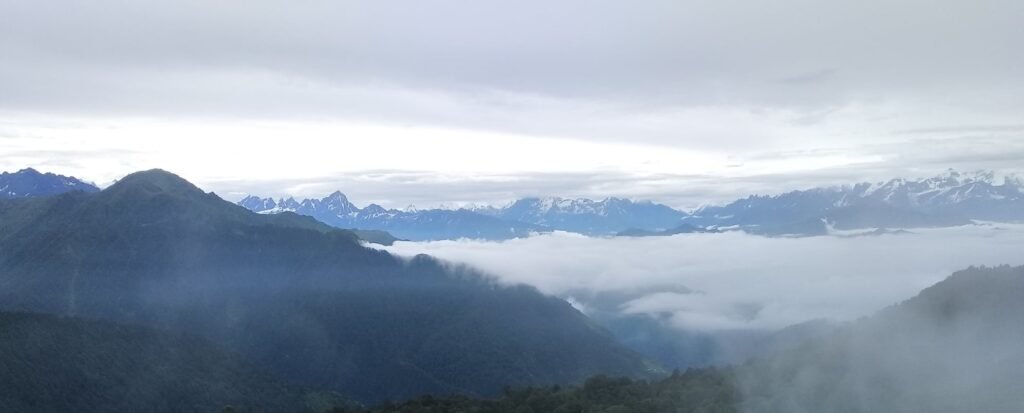
The Nanda Devi Trek: An Overview
The Nanda Devi Trek, located in the pristine wilderness of Uttarakhand, India, is a remarkable journey that intertwines spiritual significance with breathtaking natural beauty. Standing at an impressive height of 7,816 meters, Nanda Devi is the second-highest peak in India and a revered site for Hindu devotees. The mountain, often considered as the embodiment of goddess Nanda, holds immense importance in the cultural and religious fabric of the region.
The trek offers adventurers the opportunity to explore the stunning landscapes of the Nanda Devi National Park, which is recognized as a UNESCO World Heritage Site. This remote area is characterized by its dramatic topography, including deep valleys, rushing rivers, and diverse flora and fauna. The serenity and tranquility found along the Nanda Devi Trek provide trekkers with not only physical challenges but also an opportunity for reflection and spiritual growth.
Despite the trek’s allure, it is essential to recognize that the routes can be challenging, requiring both mental and physical preparedness. The trek typically takes about 10 to 12 days to complete, with varying levels of difficulty that beckon even experienced trekkers. Ideal trekking seasons are from late April to early June and from September to November, when weather conditions are favorable, ensuring clearer skies and milder temperatures.
The sacredness of Nanda Devi goes beyond its grandeur; it is a pilgrimage site for many. Each year, countless trekkers and pilgrims visit to pay their respects, connecting deeply with the heritage and spirituality that the mountain embodies. For those seeking adventure amidst rich cultural traditions, the Nanda Devi Trek encapsulates an enriching experience that marries the thrills of trekking with the profound essence of spirituality.
Religious Significance of Nanda Devi in Hinduism
Nanda Devi, towering over the Himalayan landscape, holds a revered status in Hinduism, regarded as one of the most significant goddesses in the pantheon. She is believed to embody the spirit of the mountain that bears her name, symbolizing both the nurturing aspect of nature and the formidable power of the wilderness. According to Hindu beliefs, Nanda Devi is depicted as a divine figure who offers protection and blessings to her devotees, ensuring their safety during their endeavors within the rugged terrains of the Himalayas.
Throughout the year, various rituals and festivals are dedicated to Nanda Devi, attracting thousands of pilgrims who come to pay homage. The Nanda Ashtami festival, celebrated with great fervor, marks the worship of the goddess on the eighth day of the lunar month, drawing devotees from far and wide. During this auspicious occasion, special processions, traditional music, and dance are a common sight, as people celebrate their devotion and seek blessings for prosperity and goodwill. Such events encapsulate the intricate connection between spirituality and community, fostering camaraderie among participants.
Historically, tales surrounding Nanda Devi further cement her presence in Hindu culture. Legends illustrate her connection with other deities, including her relationships with Lord Shiva and the Pandavas from the Mahabharata. These narratives contribute to the sanctity of the region, making the Nanda Devi temple a focal point for various spiritual practices. Pilgrimages to this temple not only provide a pathway for devotees to express their reverence but also facilitate an immersive experience into the serene yet daunting environment of the Himalayas. Consequently, these journeys offer moments of reflection and connection for those who seek spiritual solace in the shadows of Nanda Devi.
Popular Peaks Near Nanda Devi
The Nanda Devi region is not only renowned for its namesake peak but also for several other notable mountains that contribute to its allure as a trekking destination. Among these, Nanda Kot and Kamet stand out as remarkable companions to Nanda Devi, drawing trekkers with their scenic beauty and challenging routes.
Nanda Kot, rising at an impressive altitude of 6,861 meters, is often sought after for its majestic views and less-crowded trekking paths. The trekking route to Nanda Kot is a challenging endeavor, typically commencing from the quaint village of Lata. Adventurers are rewarded with panoramic vistas of the snow-clad peaks and verdant valleys surrounding the area. Nature enthusiasts will appreciate the diverse ecosystem prevalent in this region, characterized by rich flora and fauna, which can be observed along the journey. Trekking to Nanda Kot also offers trekkers the opportunity to witness local wildlife, adding an element of excitement to the adventure.
Kamet, another prominent peak, stands slightly taller at 7,756 meters. As the second highest peak in the Indian state of Uttarakhand, Kamet attracts a more experienced demographic of trekkers and mountaineers. The ascent to Kamet is often approached via the gentle slopes of the nearby glacier, presenting both scenic and technical challenges. This route allows trekkers to experience spectacular views as they ascend above the tree line, showcasing the awe-inspiring Garhwal Himalayas. The biodiversity of this region is intriguing as well, with various species of high-altitude plants and animals uniquely adapted to the harsh conditions.
Both Nanda Kot and Kamet offer distinct trekking experiences, making them ideal complements to a journey around Nanda Devi. Trekkers can revel in the unmatched perspectives these peaks provide, ensuring that their adventure in this pristine part of the Himalayas is both thrilling and spiritually enriching.
Preparing for the Nanda Devi Trek
The Nanda Devi Trek offers a unique combination of spiritual and scenic experiences. To fully enjoy this journey, trekkers need to engage in thorough preparation. The first and foremost aspect of preparation is ensuring physical fitness. A trek at high altitudes can be demanding, with altitudes reaching over 4,000 meters. Consequently, it is advisable to engage in cardiovascular exercises, such as running or cycling, alongside strength training to build endurance. A well-rounded fitness program that includes hiking in your local area can be beneficial in acclimating your body to the demands of trekking.
In addition to physical fitness, appropriate gear is crucial. Trekkers should invest in high-quality trekking boots that provide comfort and support on rugged terrain. Layered clothing is essential to adjust to changing weather conditions, as temperatures can fluctuate significantly. Waterproof jackets and thermal wear are recommended, alongside a sturdy backpack that holds the necessary gear such as a first-aid kit and high-energy snacks. Trekking poles may assist in navigating steep ascents and descents, providing additional stability.
Safety precautions also warrant serious consideration. Trekkers should familiarize themselves with the weather conditions specific to the region, as sudden changes can lead to challenging conditions. It is crucial to stay hydrated and take breaks to manage fatigue effectively. Altitude sickness is another risk; therefore, ascending gradually and allowing time for acclimatization is vital. Respecting local culture and environment also plays a critical role in sustainable trekking. Engaging with local communities, understanding their customs, and minimizing waste by following ‘Leave No Trace’ principles will help preserve the breathtaking ecosystem. By being mindful of their impact, trekkers contribute to maintaining the natural beauty of the Nanda Devi region for future adventurers.